

Type "best espresso beans Netherlands" into Google and you get dozens of lists with brands declaring themselves the winner. The truth is less simple: the best beans for your espresso depend on your machine, your taste and above all on a few factors that matter far more than the name on the bag. Here is what actually counts, and why.
Freshness counts for more than the brand
Coffee beans start losing flavour from the moment they are roasted. Oxygen, light and time are the biggest enemies of a good espresso, which is exactly why the roast date on the packaging matters more than any certification. Use beans preferably within four to six weeks of the roast date, and grind them only just before brewing. Beans that have sat on a supermarket shelf for months, however well known the brand, never deliver the full flavour that freshly roasted beans do.
Arabica or robusta?
Arabica beans give a softer, more complex flavour with more nuance in sweetness and acidity, while robusta is fuller and more bitter with more caffeine. Many cheaper espresso blends contain robusta because it produces a thicker crema, but that often comes at the cost of flavour. For an espresso you can drink black without the bitterness taking over, 100% arabica is usually the better choice.
The right roast for espresso
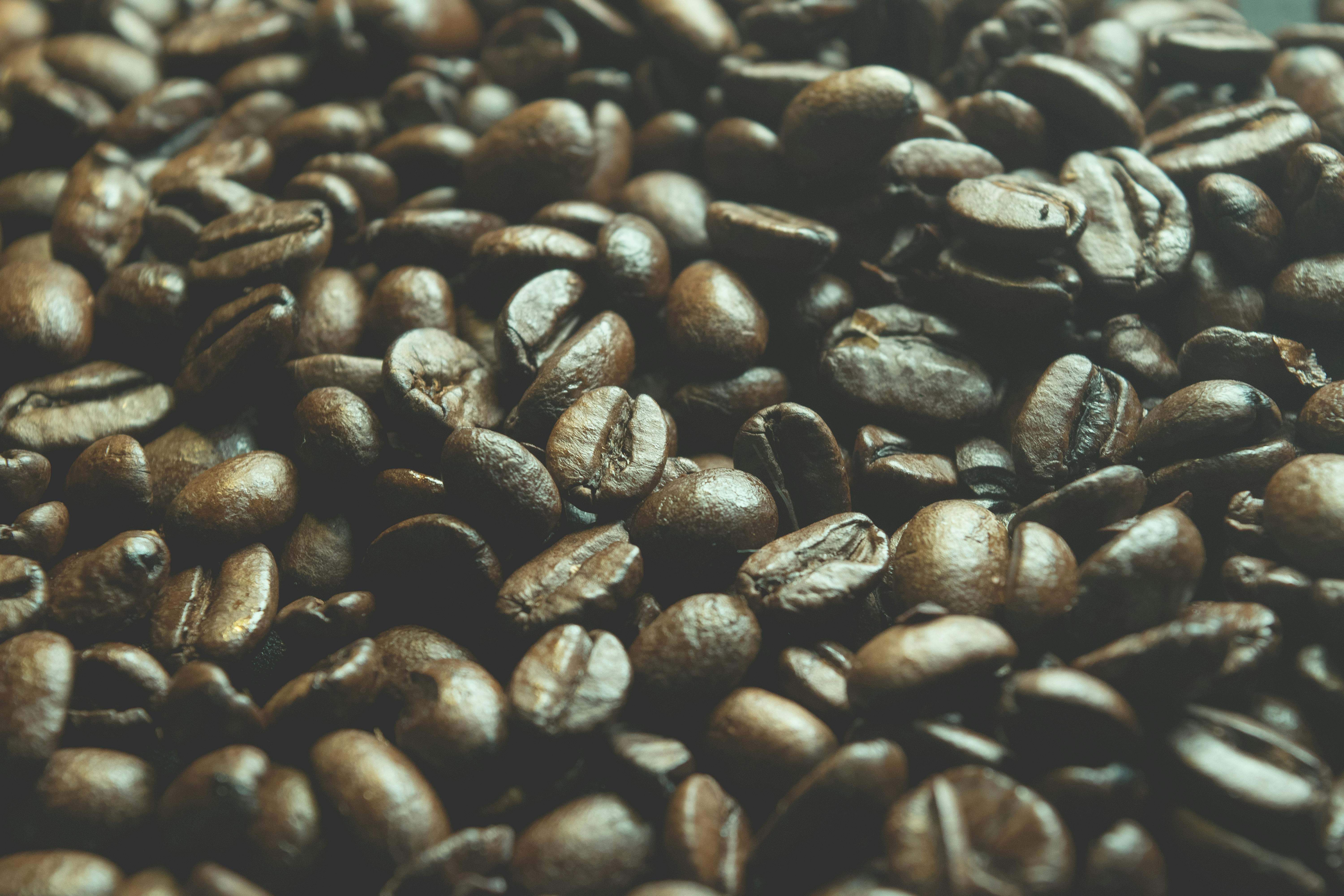
A light roast works well for filter coffee, but for espresso a medium-dark to dark roast is often nicer. This roast develops more body and caramel and chocolate notes, and softens sharp acidity. That is also exactly why espresso beans often look darker than you might expect: it is about balance between body and acidity, not about roasting as lightly as possible.
Single origin or blend
Single origin beans let you taste the character of one country or region purely, which is exciting when you are tasting and comparing. A blend of several origins is often built to taste more balanced and more consistent, which for daily espresso is usually the more pleasant option. Neither is better by definition; it depends on whether you are after a surprise or a reliable regular cup.
Checklist for buying espresso beans
- Is there a roast date on the packaging, and is it recent?
- Does the bag have a valve, so the beans do not age through oxygen?
- Are the origin and bean type stated, rather than just "coffee beans"?
- Is the roastery close to home, so the road from roaster to cup stays short?
Our own Espresso Beans are built on exactly these principles: 100% arabica, a blend of 80% Brazilian and 20% Sri Lankan specialty beans, medium-dark roasted for a full, round body that still comes through with milk. They are freshly roasted in Amersfoort and only leave once they are ready to use, not after weeks on a pallet. Curious how that tastes? Order a bag and set up the comparison yourself.